Let’s talk about something many adults over 50 quietly think about… but don’t always say out loud:
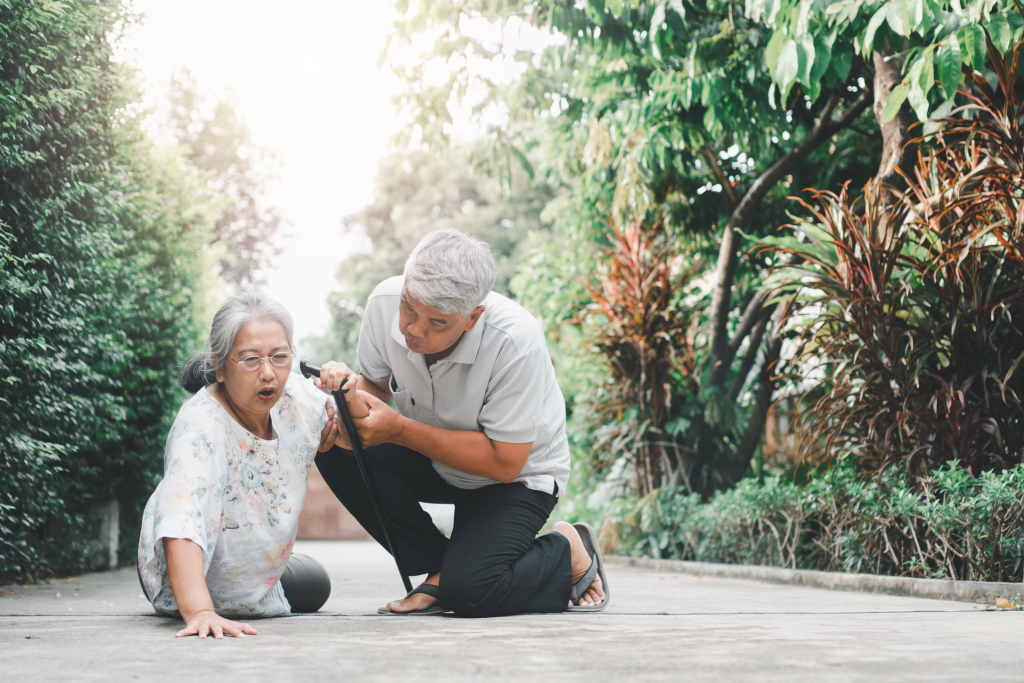
Falling.
If you’ve ever slowed down on stairs, hesitated on uneven ground, or caught yourself holding onto furniture a little longer than you used to — you’re not alone.
And no, that doesn’t mean something is wrong with you.
It means your body is asking for support, strength, and confidence — not fear.
Why Falls After 65 Deserve More Attention
Falls are the leading cause of injury and injury-related death for adults 65 and older.
Roughly 1 in 4 older adults reports at least one fall each year.
These numbers come from national health surveillance by the CDC. And the point isn’t to scare you – it’s to empower you.
Because here’s the truth that often gets buried beneath the stats: Most falls are linked to modifiable factors — not aging itself.
Most Falls Aren’t Random – They’re Predictable
Falls rarely happen because someone is careless. They usually happen when small changes stack up over time, like:
Loss of leg or core strength
Changes in balance or reaction time
Joint stiffness or chronic pain
Medications that cause dizziness or fatigue
Vision changes
Less daily movement
Tripping hazards at home (like loose rugs, cords, or poor lighting)
And ironically… fear of falling (which increases fall risk)
None of these means your body is failing. They mean your body is adaptable — and trainable.
The Hidden Cost of a Fall (It’s Not Just Physical)
One of the most damaging consequences of a fall isn’t the injury — it’s the loss of confidence that often follows.
After a fall, many people:
Move less
Avoid stairs or uneven ground
Lose trust in their body
Become more sedentary
And unfortunately, less movement = weaker muscles and poorer balance, which only increases fall risk over time.
Fall prevention isn’t about being “extra careful.” It’s about building trust in your body again.
3 Evidence-Backed Ways to Reduce Fall Risk
Public health programs like the CDC’s STEADI initiative point to three key strategies — all of which align beautifully with our approach here at Own Your Mind & Body Health:
1. Gentle Strength + Balance Training
You don’t need long workouts or high-impact classes. What works is consistent, supportive movement like:
Tai Chi
Qigong
Yoga (including chair yoga for additional support)
Short resistance band routines
Balance-focused exercises
These improve posture, coordination, and your nervous system’s ability to react if you stumble or shift your weight.
This is why readers love our Tai Chi & Qigong – Balancing Exercises for Seniors, 5-Minute Resistance Band Exercises for Seniors, and 13 Easy 5-Minute Yoga Exercises with Chair Modifications for Seniors — they’re designed to build strength without overwhelm.
2. Daily Movement (Even in Tiny Doses)
Just five minutes a day can tell your nervous system:
I’m safe to move
I can adapt
I can recover my balance
That message alone can lower your fall risk over time.
3. Create a Home That Supports You
Fall prevention isn’t about giving things up — it’s about making life easier with:
Clear walkways free of clutter, cords, or loose rugs
Good lighting, especially in hallways and bathrooms at night
Supportive, non-slip footwear — even when you’re indoors
Handrails or grab bars in areas where balance matters, like bathrooms or stairways
Good lighting (especially at night)
Supportive footwear (even indoors)
Handrails or grab bars where needed
Everyday items stored within easy reach to avoid bending, stretching, or using step stools
Smart home design helps you stay confident and independent.
The Biggest Myth About Aging and Falls
One of the most common (and damaging) beliefs is that the solution to fall risk is simply: “Be more careful.”
But here’s what often happens:
Carefulness without strength leads to stiffness
Stiffness leads to instability
And instability increases fall risk
The real solution? Build capacity — don’t shrink your world.
You Are Not Fragile. You Are Adaptable.
Your nervous system continues to learn well into your 70s, 80s, and beyond.
Balance can improve
Strength can be rebuilt
Confidence can return
Falls may be common — but helplessness is not inevitable.
Aging well is about meeting your body where it is — and guiding it forward with kindness and consistency.
What’s Next?
You don’t need to overhaul your lifestyle to feel steadier.
Even short daily practices can help you:
Reduce fall risk
Build strength and stability
Rebuild trust in your body