
If you’ve ever noticed that some days you feel calm, clear, and energized…
And other days, you feel foggy, anxious, or just off
It might not just be stress
It might be what’s on your plate
More and more research is showing that your diet doesn’t just affect your body—it directly impacts your brain and mood
And after 50, this connection becomes even more important
🧠 Your Brain Is Built From What You Eat
Your brain is not separate from your body
It’s actually one of the most energy-demanding organs you have
Using up to 20–25% of your body’s energy
That means the quality of your food matters… a lot
What you eat influences:
your mood
your focus
your memory
your stress response
This is the foundation of something called nutritional psychiatry—the science of how food impacts mental health
🥗 The Diets That Support Mental Health
Research consistently points to one thing: Whole, nutrient-dense foods support better mental health
Patterns like:
Mediterranean-style eating
Plant-forward diets
Diets rich in healthy fats, fiber, and antioxidants
Have been linked to:
lower risk of depression
better cognitive function
improved emotional stability (Medscape)
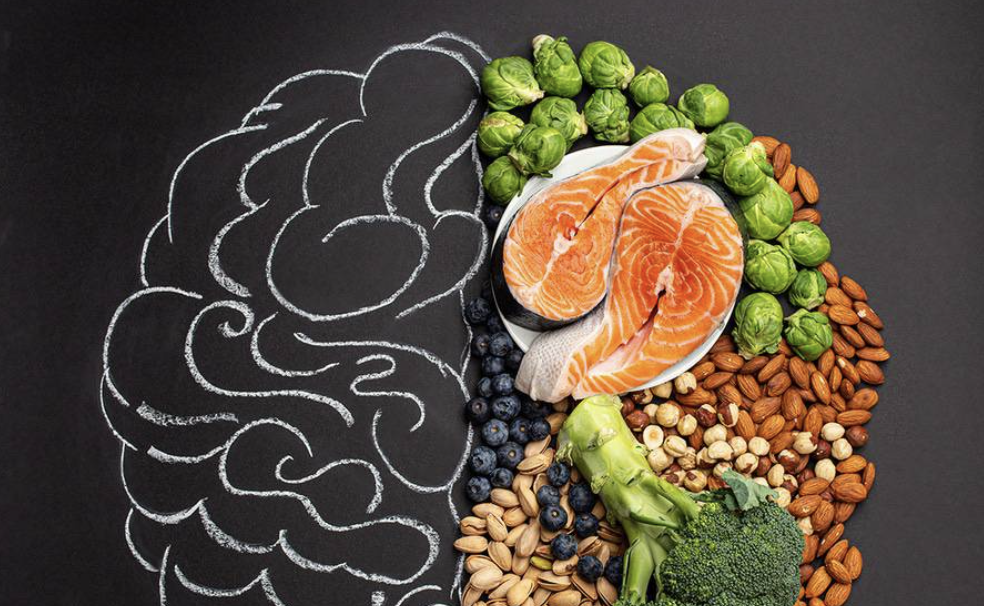
Foods that support your brain:
leafy greens
berries
nuts and seeds
fatty fish (like salmon)
olive oil
These help reduce inflammation and support brain chemistry
⚠️ The Foods That Can Work Against You
On the flip side…
Highly processed foods can have a real impact on how you feel
Diets high in:
sugar
refined carbs
processed foods
sugary drinks
Have been linked to:
increased risk of depression
mood swings
brain fog (Medscape)
Even more interesting?
These foods can disrupt your gut microbiome—and your gut plays a major role in mood regulation
🦠 The Gut-Brain Connection (This Is Huge)
Your gut and brain are constantly communicating
In fact, most of your serotonin (your “feel good” chemical) is produced in your gut
When your gut is out of balance:
inflammation increases
mood can drop
anxiety can rise
Diet plays a major role in keeping this system balanced (TIME)
⚖️ A Quick Word on Restrictive Dieting
Here’s where it gets important—especially for adults 50+
Not all diets are helpful
Extreme calorie restriction can actually:
increase irritability
lower energy
worsen mood
increase risk of depressive symptoms (The Times of India)
This is why balance matters more than ever
💡 What This Means for You (Simple, Real-Life Approach)
You don’t need a perfect diet
You need a supportive one
Start here:
Add more whole foods (don’t just restrict)
Eat regularly to stabilize energy
Include healthy fats for brain support
Focus on variety, not perfection
Even small changes, like adding more vegetables or reducing processed foods, can start to shift how you feel
💬 The Bottom Line