If you’re over 50 and your body feels like it missed the memo about “relax,” you’re not alone
You stretch
You walk
You’ve tried heat, ice, massage, physical therapy, and probably at least one pillow you were promised would change your life
And yet…
That one muscle still won’t let go
So let’s talk about something that surprises a lot of people
Botox isn’t just cosmetic
And for some adults over 50, it’s being studied as a tool for stubborn muscle-related pain
Not a miracle
Not for everyone
But absolutely worth understanding
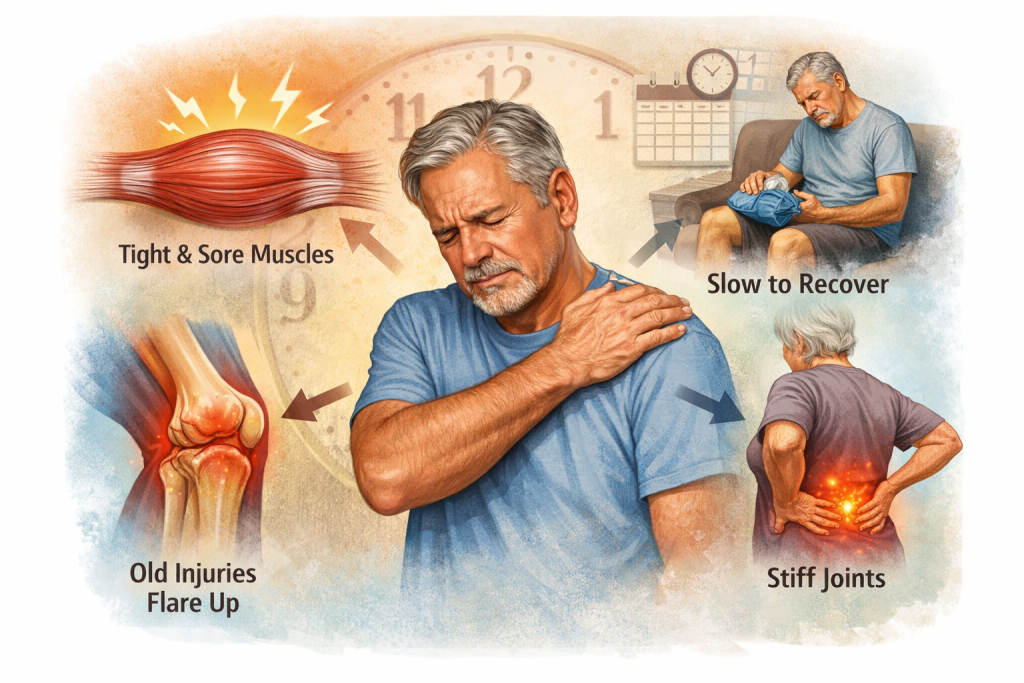
First Things First: Why Muscle Pain Gets So Stubborn After 50
As we age, muscles tend to:
• Hold tension longer
• Recover more slowly
• Overreact to old injuries
• Guard around joints that don’t move like they used to
This creates a loop that looks like this:
Pain → muscle tightens → blood flow decreases → nerves get irritated → more pain
Sometimes stretching and strengthening are enough to break that cycle. Sometimes they aren’t
That’s where Botox enters the conversation
So… How Would Botox Help Pain Anyway?
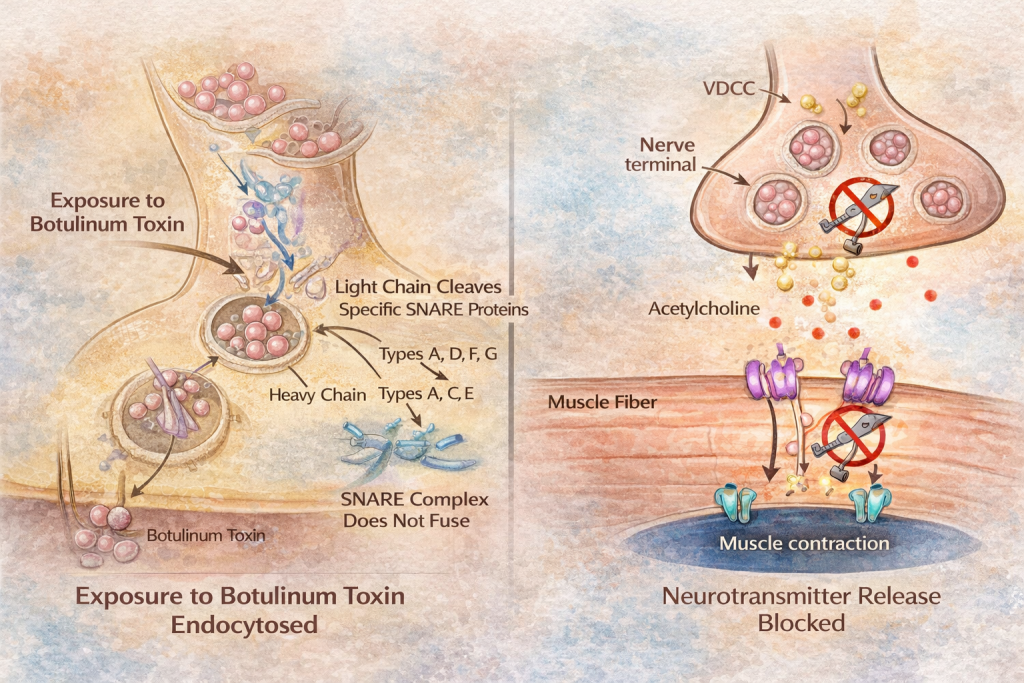
Botox works by blocking acetylcholine, the chemical messenger that tells muscles to contract
No message
No constant clenching. The result is temporary muscle relaxation
But here’s the part most people don’t know
Research suggests Botox may also:
• Reduce pain-signaling chemicals
• Improve local blood flow
• Decrease nerve irritation from compressed muscles
• Calm overactive pain pathways
Which means pain relief may happen even beyond simple muscle relaxation
Conditions Where Botox Has Been Studied for Pain
Over the years, Botox has been researched in people with:
• Chronic neck and shoulder tightness
• Low back pain
• Muscle spasms and stiffness
• Trigger point–related pain
• TMJ and jaw tension
• Certain headache patterns
• Post-stroke spasticity
Results are mixed and honesty matters here
Some people experience meaningful relief. Others feel little change
This isn’t hype medicine. It’s selective medicine
Trigger Points: The “That’s My Pain” Moment
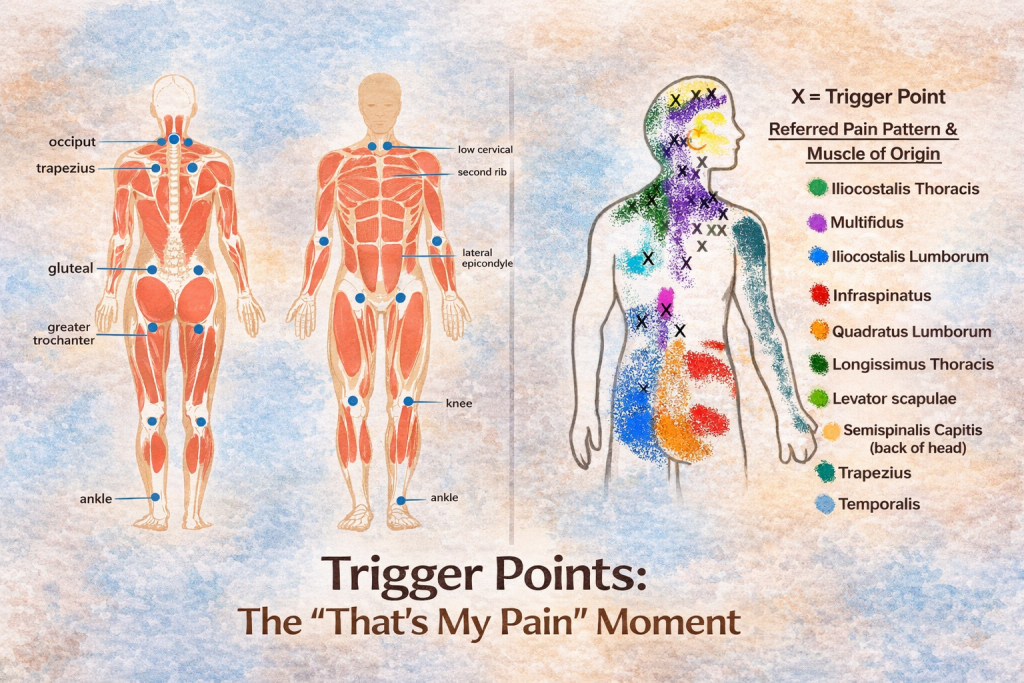
If you’ve ever had someone press on a sore knot, and you blurt out “That’s it. That’s the pain” That’s a trigger point
Trigger points are tight bands of muscle that: